Panels
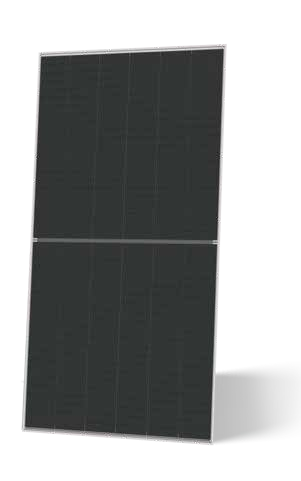
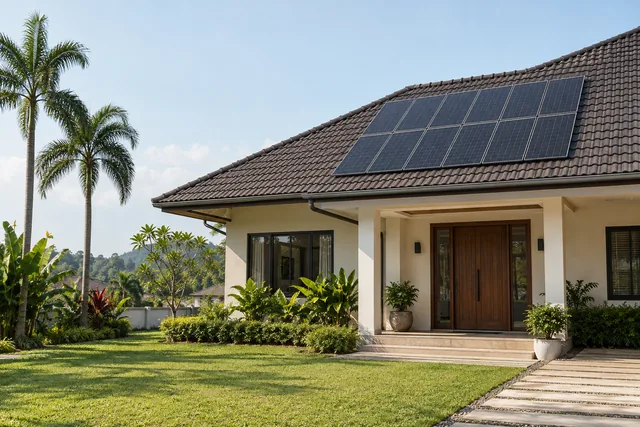
Turn sunlight into DC electricity.
Solar explained
Understand your options before you choose your system.
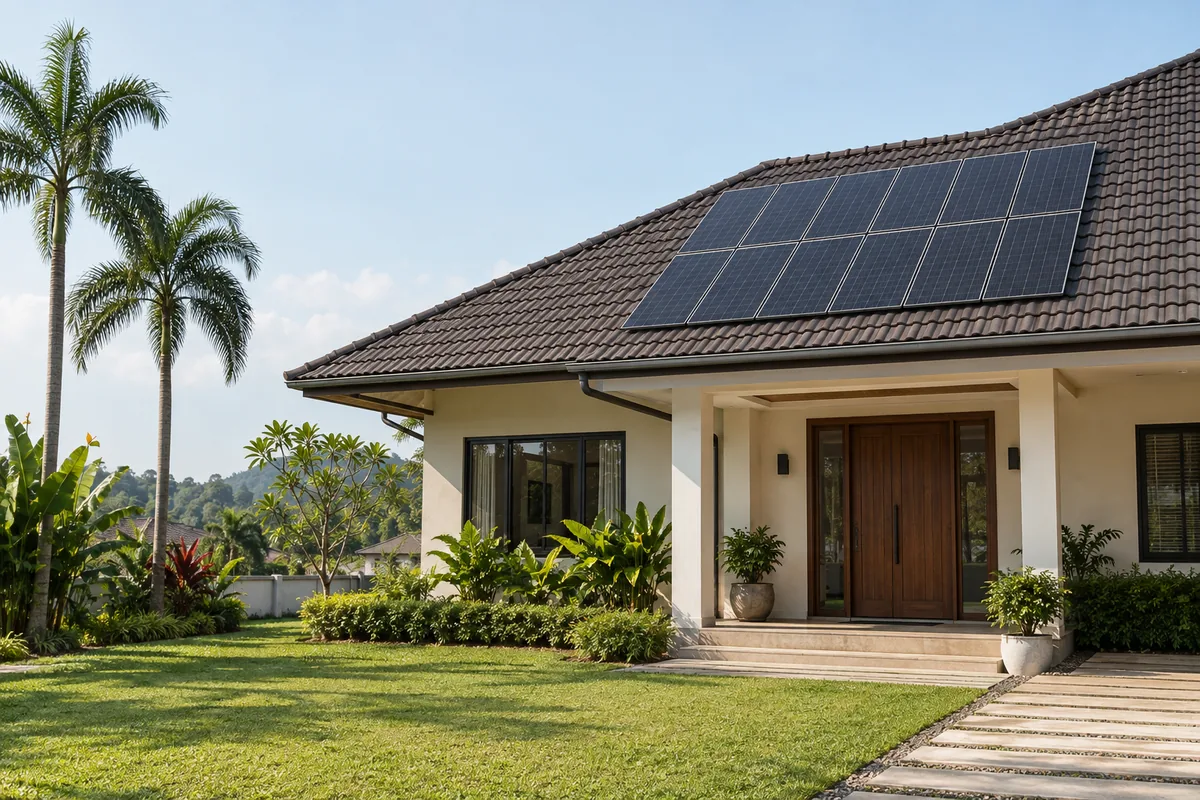
Turn sunlight into DC electricity.
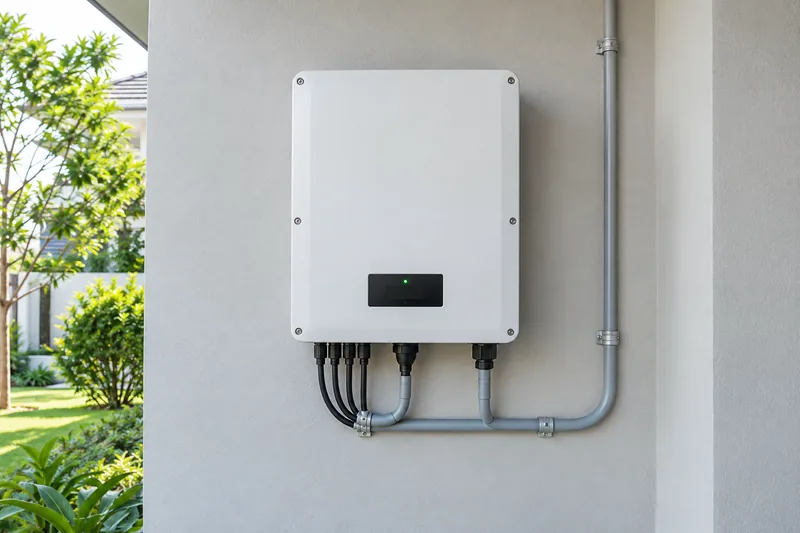
Converts DC into usable AC.
Uses electricity as you need it.
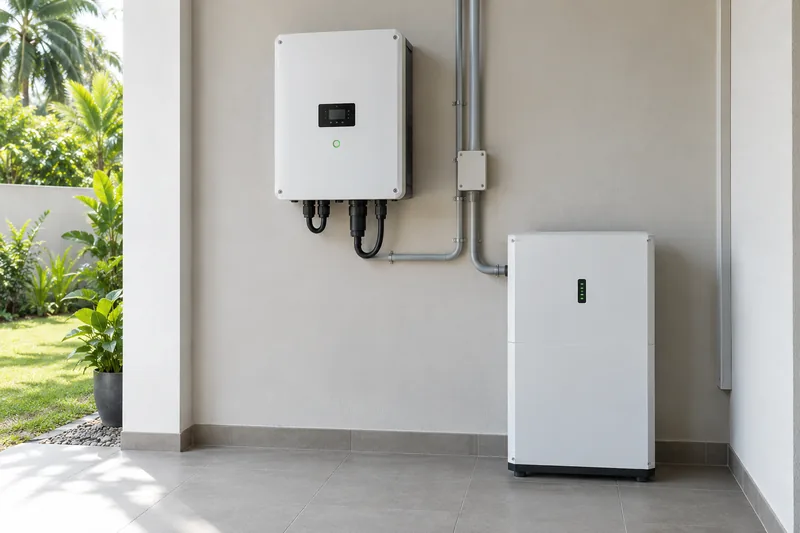
Stores energy for later use.
When the grid is available, it can supply the shortfall if solar or stored energy is not enough.
Converts solar power from groups of panels.
Combines solar conversion and compatible battery management.
Equipment photographs are illustrative. Confirm the actual models, compatibility and included components in your proposal.
Use + approved export
Use solar on-site. Eligible surplus can earn bill credits under programme rules.
Solar Accelerated Transition Action Programme (Solar ATAP) allows eligible TNB consumers in Peninsular Malaysia to use rooftop solar and export surplus under approved programme terms. It began on 1 January 2026.
Export credits are not a promise of a zero bill. Eligibility, technical assessment, credit treatment and contract terms must be checked for your application. Do not assume earlier NEM terms apply.
Official guidanceUse on-site
Use electricity within your premises. Peninsular SELCO does not allow grid export.
SELCO means self-consumption. Under Peninsular grid-connected SELCO, electricity is used within the premises and must not be exported to the grid.
The design must manage excess generation appropriately. Licensing, studies, applicable charges and storage requirements depend on the installation and current guidelines.
Official guidanceNEM means Net Energy Metering. Peninsular NEM 3.0 included NEM Rakyat for homes, GoMEn for government entities and NOVA for non-domestic consumers. Its quota offer period ended on 30 June 2025 or when quotas were allocated, whichever came first.
Existing systems follow their approved agreements. Do not assume every NEM version has the same export-credit rules. Sarawak operates a separate NEM scheme.
Official guidanceFiT means feed-in tariff. Approved generators supply renewable electricity to a distribution licensee under a tariff agreement. This is different from rooftop bill credits.
For solar, this is mainly relevant to earlier or existing approvals. A historical solar FiT rate does not establish that a new household application is available. Check current resource-specific quota announcements with SEDA.
Official guidanceCRESS — Corporate Renewable Energy Supply Scheme: renewable electricity supply arrangements between corporate consumers and generators through the grid, subject to contracts and network requirements.
Official guidanceCREAM — Community Renewable Energy Aggregation Mechanism: local green consumers source renewable electricity through a local generator and aggregator. It is not permission to sell electricity freely to neighbours.
Official guidanceCGPP — Corporate Green Power Programme: a corporate renewable-energy arrangement using a virtual power purchase agreement mechanism. Contract settlement differs from physical electricity supply.
Official guidanceLSS — Large Scale Solar: utility-scale solar projects procured through competitive programme rounds. This is different from applying for a home rooftop system.
Official guidanceThese are programme explanations, not confirmation of an open application window. Project eligibility and current terms require a separate assessment.
GET — Green Electricity Tariff — is a utility subscription route to renewable electricity without installing your own rooftop panels. Check the current premium, quota and subscription terms.
Official guidanceRebates such as SolaRIS are separate from a system’s technical design. Past offers do not guarantee a current entitlement. Confirm the applicable programme, dates and eligibility before including any incentive in a savings estimate.
Sabah follows the Energy Commission of Sabah (ECoS) framework. SELCO-PV SABAH 2.0 supports solar for self-consumption, with local application and technical requirements. Do not use Peninsular ATAP rules for a Sabah application.
Official guidanceECoS publishes eligibility, application conditions and funding availability for Solar Rakyat Sabah. Confirm your eligibility and current funding before relying on an incentive in your budget.
Official guidanceSarawak Energy operates its own NEM scheme. Its eligibility, metering, grid-connection and battery conditions differ from Peninsular programmes. The end of Peninsular NEM 3.0 applications does not mean Sarawak NEM has ended.
Official guidanceSarawak Energy publishes a residential NEM subsidy scheme with eligibility, installation, contract-date and funding conditions. Confirm the current requirements before including a subsidy in your proposal.
Official guidanceStart with your electricity bills, daytime usage, roof condition and shading. Savings depend on how much solar you use directly, system output, applicable tariffs and approved export rules.
Ask for the assumptions behind a proposal. A larger system, battery or higher panel rating does not automatically produce the best financial outcome.
A battery stores energy for later use. It may suit evening demand, energy management or a planned backup system. It is optional for many grid-connected solar installations.
Compare usable capacity, output power, compatibility, losses, warranty conditions and cost against your needs. Some programmes or larger installations have specific storage requirements.
A standard grid-connected solar system normally stops during a grid outage. A hybrid inverter or battery alone is not a guarantee of backup power.
Backup needs compatible equipment, suitable isolation and protection, and a designed backup circuit. Confirm which appliances are supported, their combined power, battery runtime and transfer time. Whole-home backup must be specifically designed.
kW measures power at a moment in time. kWp describes the rated peak power of solar panels under standard test conditions. kWh measures energy generated, used or stored over time.
A 1 kW appliance running steadily for one hour uses 1 kWh. Eight 650 W panels have 5.20 kWp of rated capacity; this does not mean they produce 5.20 kW continuously.
PV means photovoltaic: converting sunlight into electricity. Solar panels produce direct current (DC). Most household appliances and the utility grid use alternating current (AC). The inverter performs the conversion.
A power purchase agreement (PPA), lease or outright purchase describes how you obtain or pay for the system or electricity. It is separate from the programme’s technical and export rules. Ownership, payments, maintenance and end-of-contract terms depend on the agreement.
Tell us about your electricity use and what you want to achieve.
Reviewed 15 October 2026. This guide introduces the main customer-facing routes, not every incentive or tender. Eligibility, programme openings and technical requirements can change. The current official rules and your approved agreement take priority.